
About Aleksis Kivi
Lived 1834 – 1872 (aged 38). Aleksis Kivi was a Finnish and Russian writer, playwright, poet and novelist.
(; born Alexis Stenvall; 10 October 1834 – 31 December 1872) was a Finnish writer who wrote the first significant novel in the Finnish language, Seitsemän veljestä (Seven Brothers ), published in 1870. He is also known for his 1864 play, Nummisuutarit (Heath Cobblers ).
Although Kivi was among the very earliest writers of prose and lyrics in Finnish, he is still considered one of the greatest, who has compared to "the Finnish equivalent of Goethe, Dickens and Twain" by the English translator Douglas Robinson. Kivi is regarded as the national writer of Finland and his birthday, 10 October, is celebrated as Finnish Literature Day.
Life Aleksis Stenvall was born in Palojoki village, Nurmijärvi, Grand Duchy of Finland. His parents were the village tailor Erik Johan Stenvall (1798–1866) and Anna-Kristiina Hamberg (1793–1863). Kivi's great-uncle Matts Stenvall was a member of the infamous "Nurmijärvi robbers".
In 1846, Kivi left for school in Helsinki. In 1859, he was accepted into the University of Helsinki, where he studied literature and developed an interest in the theatre. His first play was Kullervo (1860), based on a tragic tale from the Kalevala, Finland's national epic. He also met the famous journalist and statesman Johan Vilhelm Snellman who became his supporter.
During his time at school Kivi read world literature from the library of his landlord, and during his university studies, he saw plays by Molière and Schiller at the Swedish Theatre in Helsinki. Kivi also became friends with Fredrik Cygnaeus and Elias Lönnrot. It is known that no other critic hated Kivi's writings as much as Ahlqvist, in which case the situation could almost be called "persecution", but the Fennomans also disapproved of Kivi's not-so-virtuous depictions of rural life, which were far from their idealized point of view, Kivi's health collapsed. Assailed by typhoid and attacks of delirium, he was hospitalised. His doctor diagnosed melancholia due to his "injured dignity as a writer". The psychiatrist Kalle Achté concludes, based on a documentary survey, that Kivi was suffering from schizophrenia,
Kivi died in poverty in 1872 (aged 38) in Tuusula, at the home of his brother Albert. According to legend, his last words were, "I live" .
Tribute In the early 20th century, young writers Volter Kilpi and Eino Leino raised Kivi to the status of national icon. Eino Leino – and later Väinö Linna and Veijo Meri – also identified with Kivi's fate as an author.
In 1939, the Aleksis Kivi Memorial, a bronze statue of Kivi by Wäinö Aaltonen, was erected in front of the Finnish National Theatre. Many streets in Finnish cities and towns have also been named after Kivi, such as Aleksis Kiven katu in Tampere.
In 1941, the was founded.
From 1995 to 1996, Finnish composer Einojuhani Rautavaara wrote an opera about Kivi's life and works. Two films have also been made: (Finnish title: Minä elän) from 1946, directed by Ilmari Unho; and The Life of Aleksis Kivi (Finnish title: Aleksis Kiven elämä) from 2002, written and directed by Jari Halonen.
Works Plays
Kullervo Lea Heath Cobblers (Nummisuutarit, 1864) Karkurit Kihlaus Olviretki Schleusingenissa Yö ja päivä Leo ja Liina Canzio Alma Margareta Selman juonet
Other Koto ja kahleet (story) Eriika (story) Vuoripeikot (story) Kanervala (poetry collection) Seitsemän veljestä (1870, novel) Runot, lyhyet kertomukset (poetry collection) Aleksis Kiven tarinoita (stories)
Gallery
Don’t just read it —
keep it.
Full-length biographies made to live with: read them, listen on the way to work, watch them tonight.
- E-book
- Audio
- Video
Instant download · yours to keep · every purchase keeps this site free
Important facts
more
Aleksis Sandelin, Alexis SandelinPeople in Aleksis Kivi's life
Named in this biography and alive at the same time

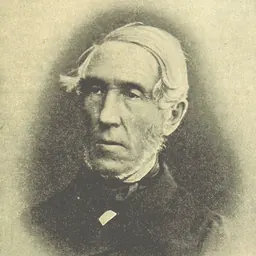
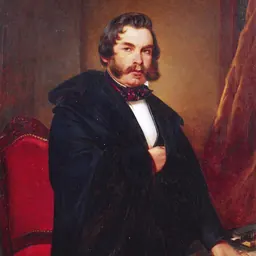
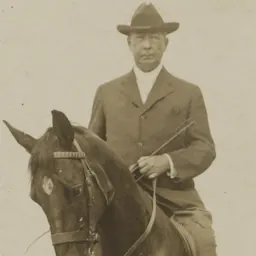
Related people
Same field, nearest in time

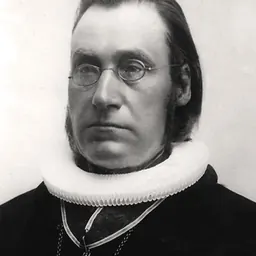
Contemporaries
People whose lives overlapped Aleksis Kivi's




Frequently asked questions
Who was Aleksis Kivi?
national author of Finland (1834–1872)
When was Aleksis Kivi born?
Aleksis Kivi was born on 10 October 1834 in Palojoki.
When did Aleksis Kivi die?
Aleksis Kivi died on 31 December 1872 in Tuusula.
What was Aleksis Kivi's occupation?
Aleksis Kivi was a writer, playwright, poet and novelist.
What nationality was Aleksis Kivi?
Aleksis Kivi was Finnish and Russian.
Sources & further reading
Cite this page
APA: Biography.guide. (2026). Aleksis Kivi. https://biography.guide/aleksis-kivi/
MLA: "Aleksis Kivi." Biography.guide, https://biography.guide/aleksis-kivi/.
Chicago: "Aleksis Kivi." Biography.guide. https://biography.guide/aleksis-kivi/.
Data last updated: 2026-09-26 · Spot an error? Report a correction.
Page generated 2026-09-27 05:13 UTC