
Adolfo R. Carrillo
Mexican journalist and short story writer
About Adolfo R. Carrillo
Lived 1855 – 1926 (aged 70). Adolfo R. Carrillo was a Mexican short story writer and journalist.
Adolfo R. Carrillo (27 September 1855–23 August 1926) was a Mexican anti-Porfirista journalist and short story writer. His name in full was Adolfo Rogaciano Carrillo Ramos.
Biography Carrillo was born in Sayula, Jalisco, on 27 September 1855. His parents were Eutimia Ramos and Amado Carrillo, originally from Tapalpa, Jalisco. He had three brothers: José María, Isaac, and Amado. Although Carrillo himself and some sources claimed places of birth such as Toluca or Villa de Guadalupe, and that his father was a tax collector, these assertions are considered fabrications. His family, in fact, was of humble origins, his father being a farmer, and Carrillo spent his childhood and early youth in Tapalpa.
His initial studies likely took place in Tapalpa, before he continued his education at the Liceo de Varones in Guadalajara, where he also worked as a grammar and literature teacher.
His combative pen His move to Guadalajara marked the beginning of his combative journalistic career. He founded two of his first newspapers, La Picota (The Pillory) (1878) and La Unión Mercantil (The Mercantile Union) (1877), which from the outset showed his adversarial stance against the local government. These early attacks forced him to seek refuge again in Tapalpa.
Subsequently, he moved to Mexico City, where he continued his opposition journalism. In 1878, he sought employment from Matías Romero, then secretary of Finance requesting a position in any port due to his "grave situation." This unfulfilled request is pointed to as a possible origin of his lasting animosity towards the Porfirio Díaz administration.
Carrillo founded and directed El Correo del Lunes (The Monday Mail), which began publication on 6 February 1882. This newspaper was characterized by its "political and social blackmail" , which earned him numerous enemies, a duel, and multiple imprisonments at Belem Prison. There he shared a cell with other prominent journalists of the time, such as Filomeno Mata, Diódoro Batalla, and Enrique Chávarri. On one occasion, he was sentenced to a nine-month prison term.
The deliberate construction of a public persona as a "persecuted intellectual" is a distinctive trait of Carrillo. His inventions about his birthplace, his father's profession, and the circumstances of his early years suggest a conscious effort to craft a more appealing personal narrative. This aligns with his later claims about his exile and studies in Europe. By presenting himself as born elsewhere or of a more distinguished origin, or by exaggerating the severity of his persecution (as in his request to Matías Romero), Carrillo likely sought to elevate his status, generate empathy, or legitimize his anti-Porfirista stance. This pattern of autofictionalization, extending beyond his literary works to his own biography, makes him a "biographer of himself" as much as of others, and foreshadows his later use of "apocryphal memoirs" as a political instrument.
Journalism, in Carrillo's era, functioned as a primary battleground for political opposition in late 19th-century Mexico. His immediate dedication to founding newspapers (La Picota, La Unión Mercantil, El Correo del Lunes) and his subsequent imprisonments underscore the crucial role of the press in challenging authoritarian regimes like that of Porfirio Díaz. The fact that his cellmates were also notable journalists (Filomeno Mata, Diódoro Batalla) indicates a shared experience of repression. In an era devoid of formal democratic channels for dissent, journalism became a vital, albeit dangerous, avenue for political opposition. Carrillo's "combative stance" and his use of "political and social blackmail" suggest that the press was not merely informative, but an armed platform for direct confrontation. The government's response (imprisonment, forced refuge) highlights the perceived threat of such journalistic activities, revealing the strict control over public discourse and the high risks for dissenting voices.
Exile and life in California: between reality and fiction Adolfo R. Carrillo's period of exile is one of the most ambiguous and fascinating of his biography, marked by contradictory accounts that he himself helped to forge. Carrillo consistently claimed to have been forced into exile by general José Cevallos Cepeda, governor of the Federal District, under direct orders from President Díaz. He described being put on a steamer to New York in winter, without luggage or money. However, this dramatic account is questioned by contemporaries like , who suggest that Carrillo's exile was self-imposed and even financed by figures like Delfín Sánchez. Carrillo also claimed to have written against Díaz from Paris, Madrid, and London, asserting that he had "dismantled the dictator's prestige throughout Europe." Nevertheless, these claims are largely refuted by contemporaries who found no trace of his extensive activities in those European cities during that period.
In his early years in the United States, Carrillo claimed to have met José Martí in New York City, who supposedly helped him secure a modest job as a French translator at Appleton & Co. Furthermore, he asserted that Sebastián Lerdo de Tejada, upon learning of his plight, took him in at Lenox House, providing him with lodging, food, and conversation for three months, and even subsidizing his travels to Europe to write against Díaz. However, these supposed close relationships with historical figures are largely considered fictionalized by later historians. Despite the ambiguities surrounding his initial exile, Carrillo eventually settled in California, residing in both San Francisco and, later, Los Angeles.
The 1906 San Francisco earthquake and fire represented a devastating turning point in Carrillo's life. He lost his printing press and saw his daughter die in this catastrophe. After this immense personal and professional loss, he moved to Los Angeles. The 1906 San Francisco earthquake was the single deadliest natural disaster in California's history, underscoring the magnitude of the disaster Carrillo experienced.
In 1914, amidst the Constitutionalist Revolution of Venustiano Carranza in Mexico, Carrillo was appointed Consul of Mexico in Los Angeles by President Carranza. He held this position until April 1916, when he was temporarily dismissed. Carrillo alleged that his dismissal was due to an accident suffered in the line of duty, but a letter from Consul E. A. González indicates that his termination was due to administrative mismanagement. Carrillo resisted leaving the post and publicly attributed his dismissal to intrigues by General Álvaro Obregón. He frequently used the narrative of being a "persecuted political figure" to seek reincorporation into the diplomatic service and financial support from subsequent Mexican governments. Finally, he managed to return to diplomatic service in 1920, albeit in increasingly minor positions, culminating in a role as a "scribe" at the Los Angeles Consulate in 1925, which secured him a salary until his death.
The strategic utility of "exile" as a narrative resource to gain political and personal benefits is evident in Carrillo's life. His contradictory accounts of his exile (forced versus self-imposed) and his exaggerated claims about European activities and connections with figures like Martí and Lerdo reveal a consistent pattern of narrative construction. By presenting himself as a victim of Porfirio Díaz's repression and a dedicated anti-Díaz propagandist operating from abroad, Carrillo could solidify his image as a political and intellectual martyr. This narrative would be particularly valuable after Díaz's fall, allowing him to seek employment and recognition from the new constitutionalist governments, as demonstrated by his consular appointment and his subsequent efforts to regain diplomatic posts. The "exile" narrative thus becomes a political currency, illustrating how personal history can be strategically shaped to influence public perception and secure material benefits. This also explains the "40 years of permanent and definitive exile", which Carrillo himself likely promoted.
The 1906 San Francisco earthquake acted as a dual catalyst for personal tragedy and literary inspiration in Carrillo's life. The loss of his daughter and his printing press in this event represents a profound personal tragedy. Simultaneously, his best-known work is Cuentos californianos, published around 1922, after his move to Los Angeles. The earthquake, therefore, signifies a traumatic rupture in Carrillo's life, forcing him to rebuild both personally and professionally. This devastating event, occurring in California, likely deepened his connection to the region and provided fertile ground for his literary imagination.
Literary work: criticism, satire, and the Californian legacy Adolfo R. Carrillo, in his prolific career, used writing as a weapon of political and social criticism, often concealing his authorship behind a variety of pseudonyms. This practice was common among political journalists of his time. Among his known pseudonyms are Arturo, Bum-bum, Filintos, Philintus, S. Q. y Z., Triboulet, Ursus, and X.X.X.. His early bibliography includes El carnaval de México en 1879 (1879), a pamphlet whose authorship is also attributed to Vicente Riva Palacio, and Recuerdos de un emigrado (1883), with a second edition in 1888. He also collaborated in the "Gacetilla" (Newspaper Squib) section of the newspaper La Patria (Homeland) around 1880, alongside other prominent writers such as .
"Apocryphal memoirs" represent the most distinctive form of Carrillo's political satire. In these works, he assumed the voice of historical figures or created fictional characters, allowing him to launch incisive critiques and veiled denunciations.
Carrillo's practice of "apocryphal memoirs" constitutes a sophisticated form of political warfare and historical revision. His Memorias de Sebastián Lerdo de Tejada and Memorias del Marqués de San Basilisco are explicitly designated as "false memoirs" or "apocryphal." They were published anonymously or under pseudonyms and aimed to criticize the Porfiriato and denounce specific figures. The timing of St. Basilisk's publication (after the Marquis's death) was also strategic. This goes beyond simple political commentary; it is a deliberate act of literary subversion. By impersonating the voices of historical figures or creating picaresque narratives, Carrillo could disseminate "alternative versions of official history" and engage in "political and social blackmail" with a layer of plausible deniability. Anonymity and the use of pseudonyms further protected him, while allowing "scandal" to circulate. The surge in editions of the Memoirs of Sebastián Lerdo de Tejada during the Maderista revolution underscores its effectiveness as anti-regime propaganda, demonstrating how literature can actively shape political discourse and even contribute to revolutionary movements. This reveals Carrillo as a master of narrative manipulation, using fiction to expose perceived truths and influence public opinion.
Cuentos californianos stands as a foundational text for Chicano literature. The work's description indicates that it narrates "experiences of rural life before the U.S. invasion and the subsequent cultural loss" from the perspective of Mexicans and "Californios." It also points to Carrillo's use of "caricatured types or 'pochos'" and positions him as a "precursor to the contemporary figure of the Chicano in short stories and theater." This is a crucial aspect of Carrillo's enduring literary importance beyond his political satires. The themes of cultural loss, identity, and the impact of U.S. expansion on Mexican-origin communities in California are central to Chicano literature. His portrayal of "pochos" (a term often used pejoratively for Mexican Americans who have assimilated into Anglo culture) indicates an early engagement with the complexities of bicultural identity and alienation. By addressing these themes and character types, Carrillo's work provides an early, albeit perhaps nascent, literary voice for a community whose experiences would later form the core of the distinct Chicano literary tradition. This elevates Cuentos californianos from a mere collection of stories to a historically significant text in the development of a distinct literary genre.
Later years and legacy: poverty, illness, and late recognition Carrillo died on 23 August 1926, in Los Angeles, California, at the age of 70, after "40 years of permanent and definitive exile," reinforcing the idea that he died outside Mexico. His death occurred while he was working as a "scribe" at the Mexican Consulate in Los Angeles, a position he accepted in 1925. Poverty and illnesses forced him to accept this position shortly before his death." His body was later repatriated to Mexico with the help of the diplomatic corps.
Carrillo's legacy is multifaceted. He is remembered as a fierce and provocative opponent of the Porfirio Díaz regime, using journalism and "apocryphal memoirs" as potent weapons of satire and political denunciation. His Memorias de Sebastián Lerdo de Tejada gained significant traction during the Mexican Revolution, demonstrating its enduring political resonance. His Cuentos californianos are recognized for their early exploration of themes pertinent to Mexican-American identity and cultural loss, positioning him as a precursor to Chicano literature.
It is ironic that a life dedicated to political opposition culminated in poverty and dependence on the very system he opposed. Carrillo spent decades in "exile" (whether forced or self-imposed) vehemently opposing the Mexican government. However, in his later years, "poverty and illnesses" forced him to accept a minor, informal position as a "scribe" at the Mexican Consulate in Los Angeles, a branch of the same state apparatus he had fought against, although these ones were from another side, revolutionaries and not porfiristas. This presents a poignant and deeply ironic end to a life defined by rebellion. Despite his significant literary and journalistic contributions to the anti-Porfirist cause, Carrillo failed to achieve financial stability or official recognition in his later years, highlighting the precariousness of a life dedicated to political dissent. His reliance on the Mexican government for a modest salary and the repatriation of his remains underscores the cyclical nature of power and the often unrewarded sacrifices of political exiles. It suggests that while his literary legacy would later be recognized, his personal life ended in a state of vulnerability that forced him to compromise with the very institutions he had so passionately criticized, a stark contrast to the grand narratives he often constructed for himself.
The need for critical academic research to disentangle historical facts from authorial self-mythologizing is evident in Carrillo's case, which exemplifies how historical figures, particularly writers and political commentators, can actively shape their own public narratives, making objective biographical reconstruction challenging.
Conclusion: a biographer of himself and his time Carrillo (1855-1926) reveals himself as a complex and captivating figure in Mexican intellectual history. Born into humble circumstances in Sayula, Jalisco, he rose to prominence as a combative journalist and writer, dedicating much of his career to opposing the Porfirio Díaz regime. His life was marked by periods of imprisonment and a long, ambiguous exile in the United States, particularly in California. He experienced profound personal tragedy, notably the loss of his daughter and his printing press in the 1906 San Francisco earthquake. Despite everything, he produced a significant body of work, including the politically charged "apocryphal memoirs" (Memorias de Sebastián Lerdo de Tejada, Memorias del Marqués de San Basilisco) and the culturally resonant Cuentos californianos. Its publication coincided with the death of Jorge Carmona, the Marquis of San Basilisco (Marquis of St. Basilisk), in Mexico City on 20 March 1897. Carrillo had prepared the text beforehand but waited for Carmona's death to publish it. This work is described as a picaresque novel, full of humor and devastating judgments about the central character, Jorge Carmona ("Camonina"), who is portrayed as a cunning and deceptive individual seeking social ascent. The novel aimed to denounce Carmona as the intellectual author of a murder and ridicule his acquired noble title. It mixes fiction and biography to question the "truths" established by official accounts. It was reissued by in November 2024. Cuentos californianos (circa 1922): The first edition is estimated to have been published around 1922, with no specific publication data, only his name on the cover. It was likely printed in the workshops of the newspaper "La Prensa" in Los Angeles, California. The work was reissued in 1993 by the Secretariat of Culture of the Government of the State of Jalisco. The book consists of 19 short stories that narrate the experiences of rural life before the U.S. invasion and the subsequent cultural loss, from the perspective of both Mexicans and "Californios." Carrillo often employs caricatured types or "pochos" instead of fully developed characters, which positions him as a precursor to the contemporary figure of the chicanos in short stories and theater. Fragments of the work, such as "Oro y sangre" ("Gold and Blood"), illustrate narratives of greed, betrayal, and violence during the California gold rush. The 19 short stories are the following: «El Budha de Chun-Sin» (The Buddha of Chun-Sin) «Oro y sangre» (Gold and Blood) «El sacrilegio» (The Sacrilege) «Juana la Loca» (Joanna the Mad) «La última cena» (The Last Supper) «El murciélago» (The Bat) «Joaquín Murrieta» «El ópalo del padre Rueda» (Father Rueda's Opal) «El resucitado» (The Risen One) «Amores trágicos» (Tragic Loves) «La Virgen del Carmelo» (The Virgin of Carmel) «Le père Gregoire» «Chispas de oro» (Sparks of Gold) «Los primeros gambusinos» (The First Prospectors) «Un moderno père Goriot» (A Modern Père Goriot) «Los espectros de San Luis Rey» (The Ghosts of San Luis Rey) «El hombre invisible» (The Invisible Man) «El primer insurgente» (The First Insurgent) «La hija del contrabandista» (The Smuggler's Daughter)
In addition to these main works, Carrillo claimed authorship of El zar zapoteco (The Zapotec Tsar) and La democracia en acción en documentos oficiales (Democracy in Action in Official Documents), although there is no precise record of their circulation under his name. He was also falsely attributed a novel titled Carmen, supposedly about the first lady's intimate life (Carmen Romero Rubio), which was rumored to have been published by Appleton & Co. in New York in 1888. This incident is an example of how Carrillo used rumor and scandal to exert political pressure.
Don’t just read it —
keep it.
Full-length biographies made to live with: read them, listen on the way to work, watch them tonight.
- E-book
- Audio
- Video
Instant download · yours to keep · every purchase keeps this site free
Important facts
People in Adolfo R. Carrillo's life
Named in this biography and alive at the same time



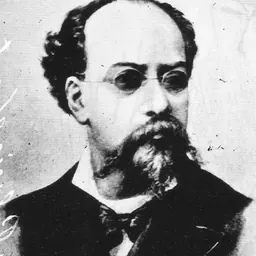
Related people
Same field, nearest in time


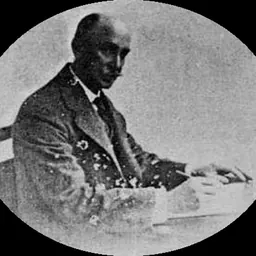

Contemporaries
People whose lives overlapped Adolfo R. Carrillo's
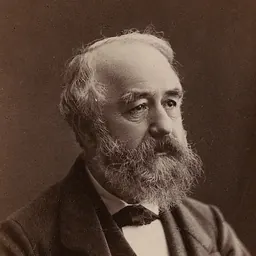




Frequently asked questions
Who was Adolfo R. Carrillo?
Mexican journalist and short story writer
When was Adolfo R. Carrillo born?
Adolfo R. Carrillo was born on 27 September 1855 in Sayula.
When did Adolfo R. Carrillo die?
Adolfo R. Carrillo died on 23 August 1926 in Los Angeles.
What was Adolfo R. Carrillo's occupation?
Adolfo R. Carrillo was a short story writer and journalist.
What nationality was Adolfo R. Carrillo?
Adolfo R. Carrillo was Mexican.
Sources & further reading
· Wikipedia: Adolfo R. Carrillo
Cite this page
APA: Biography.guide. (2026). Adolfo R. Carrillo. https://biography.guide/adolfo-r-carrillo/
MLA: "Adolfo R. Carrillo." Biography.guide, https://biography.guide/adolfo-r-carrillo/.
Chicago: "Adolfo R. Carrillo." Biography.guide. https://biography.guide/adolfo-r-carrillo/.
Data last updated: 2026-09-20 · Spot an error? Report a correction.
Page generated 2026-09-27 04:57 UTC