
Abdurrahim bey Hagverdiyev
Azerbaijani playwright, stage director, politician and public figure
About Abdurrahim bey Hagverdiyev
Lived 1870 – 1933 (aged 63). Abdurrahim bey Hagverdiyev was a Russian writer, playwright, translator, politician and opinion journalist.
Abdurrahim bey Asad bey oglu Hagverdiyev (17 May 1870 – 11 December 1933) was an Azerbaijani writer, playwright, public and political figure, educator, literary scholar, and Honored Art Worker of the Azerbaijan SSR, Abdurrahim bey Hagverdiyev is considered a classic of Azerbaijani literature. He was a deputy in the First Russian Duma, a member of the Georgian Parliament, the first conductor at the premiere of Leyli and Majnun, founder and first head of the Theatre Council, and a contributor to the Molla Nasreddin journal.
Active during the late 19th and early 20th centuries, Hagverdiyev continued the literary traditions of Mirza Fatali Akhundov and Najaf bey Vazirov. He contributed to the development of national literature through his satirical and psychological dramas, addressing social and moral issues of his time. His notable plays include The Broken Union (Dağılan tifaq), Greedy Scholars (Ac həriflər), Unlucky Young Man (Bəxtsiz cavan), and The Fairy Magic (Pəri cadu), marked by satire and critical depictions of daily life. He was a member of both the First and Second State Dumas and advocated for Muslim rights in the Russian Empire and the South Caucasus. Hagverdiyev played a prominent role in organizing theatrical performances in Tbilisi and Baku, participated in the press and enlightenment efforts, and contributed to the early activities of the Azerbaijan SSR Academy of Sciences and various literary societies and publications.
Early life Abdurrahim bey Hagverdiyev was born on May 17, 1870, in the village of Aghbulag near Shusha. His father, Asad bey, an educated official fluent in Russian and Persian, died when Abdurrahim was three. He was then raised by his uncle Abdulkarim bey. After his mother remarried a local official, Hasanali bey Sadiqbayov, his uncle distanced him from her. Abdulkarim bey died in 1875, an event that deeply affected the young Hagverdiyev.
Facing mistreatment in his uncle's household, Hagverdiyev eventually ran away and was warmly accepted by his stepfather, who took responsibility for his upbringing and education. Hasanali bey introduced him to the Russian alphabet and supported his intellectual development.
Hagverdiyev had a younger sister, Nabat, who drowned during a family outing. This event had a lasting emotional impact on him, and he became more withdrawn, often accompanying his stepfather rather than socializing with other children.
Education In May 1880, after his stepfather Hasanali bey faced financial ruin, the family moved to Shusha. There, Abdurrahim bey began studying at a temporary summer school run by Yusif bey Melikhaqverdyov, who would become a key figure in his early education. In September of the same year, Hagverdiyev passed the entrance exams for the city school and studied there for a year. In October 1881, he enrolled in the newly established Russian-language Real School in Shusha, where Yusif bey also taught.
Yusif bey, who was deeply interested in theater, organized performances each summer with the help of visiting teachers and students. Hagverdiyev's first encounter with theater took place during one of these performances. Reflecting on this, he later recalled attending a staging of Mirza Fatali Akhundov's "The Vizier of the Lankaran Khanate" (Xırs quldurbasan) and being profoundly impressed by seeing his teachers in costume on stage.
Inspired, Hagverdiyev wrote a short play titled Haji Dashdemir (Hacı Daşdəmir), modeled on Akhundov's Haji Gara, and shared it with Yusif bey, who offered guidance and feedback.
In August 1890, Hagverdiyev moved to Tbilisi to complete his final year at the Real School. At the time, Tbilisi was both a cultural hub of the Caucasus and a major theater center in the Russian Empire. Exposure to the works of Russian and European playwrights had a formative influence on him. After graduating in 1891, he went to St. Petersburg to pursue higher education.
He initially applied to the Institute of Mining Engineering but was not accepted. Choosing to stay in the city, he immersed himself in its cultural life. In 1894, his documents were transferred to the Institute of Railway Engineering, where he was admitted. Although he began formal studies, his growing interest in literature eventually led him to abandon the program. He later attended courses at the Faculty of Oriental Studies at St. Petersburg University as a non-degree student.
During his eight years in St. Petersburg, Hagverdiyev conducted serious research in language and literature. The city's literary and theatrical scene, especially performances at the Alexandrinsky Theatre, played a crucial role in shaping his artistic vision. He later wrote: "In 1891, when I went to Petersburg, I saw a true theatre for the first time. The Alexandrinsky Theatre was at its peak. Giants such as Davydov, Komissarzhevskaya, and Dalsky were performing. I was drawn in completely... I rarely missed a performance."
While in St. Petersburg, Hagverdiyev wrote his first plays: You Will Taste the Goose Meat and Feel Its Delight (Yeyərsən qaz ətini, görərsən ləzzətini, 1892) and The Broken Union (Dağılan Tifaq, 1896).
He spent most of his summer holidays in Shusha, where he collaborated with amateur actors to stage plays. In 1892, he participated in the production of Hashim bey Vazirov's comedy Marriage Is Not Like Drinking Water (Evlənmək su içmək deyil), and in 1897 directed a short dramatic scene titled Majnun at Leyli's Grave (Məcnun Leylinin qəbri üstündə). According to composer Zulfugar Hajibeyov, Hagverdiyev was nicknamed Shabihgardan (the one who stages performances) in Shusha — a testament to his deep passion for theatre.
Public and political activities In 1899, Abdurrahim bey Hagverdiyev returned from St. Petersburg to Shusha, where he lived for two years collecting written literary materials. In 1900, he wrote and staged the play Unlucky Young Man (Bəxtsiz Cavan), and in 1901, after moving to Baku,
Hagverdiyev directed the 1902 and 1903 "Eastern Concerts" at the H.Z. Taghiyev Theatre, which showcased a variety of musical traditions and were enthusiastically received. In May 1904, after being elected to the Shusha municipal council, he returned to his hometown. In 1905, he was elected as a deputy to the First State Duma from Ganja and went to St. Petersburg, where he began work on his historical tragedy Agha Mohammad Shah Qajar (Ağa Məhəmməd şah Qacar), consulting archival and historical sources.
Upon returning to the Caucasus, Hagverdiyev worked as an inspector for the Nadezhda shipping and insurance company and later joined H.Z. Taghiyev's shipping office. His professional duties took him to various regions of the Caucasus and Iran. Some scholars suggest his travels to Iran were also motivated by research for Agha Mohammad Shah Qajar. In his memoir, Hagverdiyev writes that between 1906 and 1913, he traveled throughout the Caucasus, Turkestan, and Iran, and spent time in Mazandaran gathering materials for the play.
In 1908, he directed the staging of Uzeyir Hajibeyov's Leyli and Majnun opera and conducted the orchestra, becoming the first recognized Azerbaijani opera conductor.
In March 1918, he was appointed commissioner for the Borchali district, where he actively mediated between Armenians and Azerbaijanis during a period of ethnic conflict, visiting villages on both sides to encourage peace. During his tenure, he narrowly escaped an assassination attempt in Ashagy Saral station, prompting his return to Tbilisi. There, he served briefly as an inspector in a newly opened Azerbaijani school and was later elected to the Georgian Parliament by the Muslim National Council. Although he served only four months, he played a vital role in promoting Azerbaijani cultural and linguistic rights, especially in Borchali. However, his tenure was short-lived: General Denikin expelled him from Dagestan, prompting his return to Baku.
Later that year, Hagverdiyev was appointed envoy to Armenia, where he reported on anti-Turkic atrocities and represented Azerbaijani interests before foreign missions. His reports and archival documents from this period reflect his active engagement in humanitarian and diplomatic efforts. He resigned from the position in March 1920, shortly before the Bolshevik takeover. That year, his satirical work Letters from Hell by a Ghoul (Xortdanın cəhənnəm məktubları) was published in Latin script.
— First period (1892–1905)
— Second period (1905–1920)
— Third period (1920–1933)
First Period of Creativity
After writing You Shall Taste the Goose and Know Its Delight and The Broken Union in St. Petersburg, Hagverdiyev returned to Azerbaijan. While in Baku, he wrote The Unlucky Young Man (Bəxtsiz Cavan) and later Fairy Magic (Pəri Cadu). Recognized initially as a playwright, he depicted scenes from the lives of peasants and landlords in this period, sharply criticizing the exploiting class.His first comedy, You Shall Taste the Goose and Know Its Delight, portrays the tragicomic events in a merchant's family. Among other issues, the play critiques polygamy, a prominent societal issue at the time. Scholars argue that with this play, Hagverdiyev enriched the dramatic genre pioneered by Akhundov with new themes and characters.Several years later, he wrote The Broken Union, considered a classic of Azerbaijani theatre. The play was strongly influenced by the Shusha environment, and Hagverdiyev closely observed the lifestyle of the local bey and aga classes. The young writer portrayed the downfall and hardships of characters like Najaf bey and his companions.In 1900, Hagverdiyev wrote The Unlucky Young Man, further developing his critique of the upper classes. Through the character Farhad, an enlightened intellectual, he conveyed his democratic ideals. Farhad, unlike the traditional elite, fought against social customs and advocated for education as a means to uplift the peasantry. The play marks the beginning of portraying landlords as opponents of progress and education in Azerbaijani drama.His final work of this period, Fairy Magic, differs thematically from his earlier plays. It introduced mythological figures such as fairies, demons, and the devil, turning abstract concepts like sorcery into dramatic characters. The narrative is built around the struggle between good and evil. The central character, a woman named Fairy, seeks revenge against all men after her divorce and turns to dark powers. But she eventually falls in love with a young man named Gurban, and her desire for revenge is subdued. The play juxtaposes symbolic and realistic characters to critique social injustice and class divisions. Unlike earlier works, this play highlights the struggle of a poor family against wealthy oppressors.Second period of creativity
As Hagverdiyev himself noted, the second period of his career was when he worked "shoulder to shoulder with revolutionary-democratic artists like Mirza Jalil and Sabir." Literary scholars agree that this stage reflects a shift from enlightenment realism to critical realism. This transition began with the 1905 Revolution, after which freedom and workers' and peasants' rights became central literary themes. The emergence of a free press followed. Among the new periodicals was Molla Nasreddin, published in Tiflis from 1906 by Jalil Mammadguluzadeh. This journal quickly gained popularity in Turkey, Uzbekistan, Turkmenistan, Tatarstan, Dagestan, Crimea, and Iran. Azerbaijani realist intellectuals gathered around the publication. Until 1905, Hagverdiyev had been known primarily as a playwright, but he later became one of Molla Nasreddin 's key contributors.
His first satirical work, the comedy Friends of the Nation (Millət Dostları), written in 1905, marked the beginning of this new stage. In it, he criticized the so-called intellectuals of his time, a common theme among Molla Nasreddin contributors. The play is considered a prime example of the vaudeville genre.
He also completed his historical drama Agha Muhammad Shah Qajar (Ağa Məhəmməd Şah Qacar) during this period. Completed in 1907, Hagverdiyev conducted archival research in St. Petersburg and Mazandaran for the play. The work is regarded as the second historical tragedy in Azerbaijani literature. In this play, he presented the Qajar ruler with psychological depth and historical realism. At the request of his friend, the actor Huseyngulu Arablinski, he excluded female characters due to the lack of available actresses for stage performance.From this period onward, Hagverdiyev increasingly employed satire, using various techniques to criticize bourgeois failings and social ills. His stories The Delirious Notebook (Mürtüb dəftəri) and Comrade Passport (Həmşəri pasportu) exemplify this. Irony became a key tool in his artistic approach.His primary activity in this period was writing for Molla Nasreddin. Beginning in January 1907, he contributed for nearly two decades. Alongside poets and writers such as Sabir, Mirza Jalil, Ali Nazmi, and Salman Mumtaz, Hagverdiyev played a leading role. The editorial team divided tasks: Jalil Mammadguluzadeh wrote feuilletons, Mirza Alakbar Sabir composed satirical poems, and Hagverdiyev contributed satirical stories. He wrote under pseudonyms such as "Ceyranali", "Xortdan", "Laghlagi", "Mozalan", "Nuni Sagir", and "Supurgesaggal". His satirical series Letters from Hell (Cəhənnəm Məktubları), My Deer (Marallarım), and Mozalan Bey's Travelogue (Mozalan Bəyin Səyahətnaməsi) were all published in Molla Nasreddin.Third Period of Creativity
The third phase of Hagverdiyev's literary work began in the 1920s and lasted until the end of his life. This period was shaped by the literary constraints imposed under Soviet rule. Writers could no longer address topics freely. Hagverdiyev instead focused on works reflecting socialist ideals and carrying didactic themes. His plays In the Shadow of the Tree (Ağac Kölgəsində), The Old Pipe (Köhnə Dudman), Comrade Koroglu (Yoldaş Koroğlu), The Doors of Justice (Ədalət Qapıları), and stories like Revenge (Qisas), Lantern (Qəndil), and Struggle with Capitalism (Kapitalizmlə Mübarizə) belong to this period.In his Soviet-era works, the focus shifted to peasants and young intellectuals liberated from feudal oppression. The historical play The Old Pipe (1927), considered one of his most powerful works, depicts events from 19th-century khanate-era Azerbaijan. It was followed by Homeland of the Ancestors (Baba Yurdu), showing peasants rebelling against figures like Cahangir Agha, ultimately triumphing—a narrative aligning with Soviet ideals.In In the Shadow of the Tree (1921), the conflict between Mustafa bey and poor villager Jafar is resolved when the teacher Karim sarcastically shows Jafar's corpse to the aghas, proclaiming: "He hasn't died, don't worry—he's fallen asleep and will awaken in a different world, a world of revenge."Hagverdiyev also advocated for women's liberation. In Women's Holiday (Qadınlar Bayramı, 1928), the protagonist aunt Cahan spearheads reforms in her village. A school, a literacy course, and a nursery are established. She is portrayed as the new Soviet woman—emancipated and active in public life. Very Beautiful (Çox Gözəl, 1932) reflects themes of civic spirit and brotherhood. It was Hagverdiyev's last short drama. In The Red Granny (Qırmızı Qarı, 1921), a positive character, the granny itself, is portrayed as a "messenger of the red revolution", yearning to end the chains and tyranny. The play concludes with soldiers triumphing over the dark regime, fulfilling the storm's wish.His short Soviet-era plays were among the first performed under the new government. During this time, he also produced short stories that, unlike earlier satirical works, focused on the hardships of the people and the oppression of the Tsarist regime.In the final stage of his career, both his original writings and translations from Western and Russian literature gained importance. In the 1920s, he translated Maxim Gorky's stories "Old Woman Izergil", "Makar Chudra", "Grandfather Arkhip and Lyonka", and "The Khan and His Son"; Chekhov's "A Dreadful Night", "The Secret", "The Lion and the Sun"; Andersen's "The Nightingale", "The Emperor's New Clothes"; Schiller's The Robbers; and Emile Zola's The Miners into Azerbaijani Turkish.His scholarly articles from the Soviet period are also significant. Among them are studies on Maxim Gorky, Mirza Fatali Akhundov, and the Azerbaijani theatre. Hagverdiyev not only wrote the 1912 work Khayalat about Akhundov but also conducted extensive research on his life and literary contributions. His essays on the formation of Azerbaijani theatre later became key sources for theatre scholars. Publicistic works A part of Abdurrahim bəy Hagverdiyev's creative works consists of publicistic works. Despite living and working in Tbilisi, the geographic scope of his publicistic writings spans a broad area including Baku, Iran, Nakhchivan, Yerevan, Saint Petersburg, Nizhny Novgorod, Germany, Shusha, Vladikavkaz, Aghdam, and Ganja. In his works published in early 20th-century newspapers such as "Hummat", "Irshad", "Taze hayat", and "Gruziya", Hagverdiyev addressed issues of education, culture, schools, social progress, and women's emancipation. His writings promoted democratic enlightenment ideas to the masses, criticized social apathy and stagnation, and called for civic activism and patriotism for the moral and ethical development of society.In 1906, he authored his first stories, "Father and Son" ("Ata və oğul") and "Witness of the Moon" ("Ayın şahidliyi"), which were published in the newspaper "Hayat". In October 1905, a one-act comedy titled "Friends of the Nation" ("Millət dostları") also appeared in the same newspaper.In May 1907, in an article titled "Bizim yabılıgımız" published in "Taze hayat", Hagverdiyev criticized the indifferent individuals who abandoned the enlightenment efforts, comparing the nation's pioneers to "yabı" (a traditional sheepskin coat). He lamented the long-term "yabıq" state of the Muslim people, deprived of intellectual and cultural nourishment for centuries, oppressed by figures like Pobedonostsev and Ilminski who kept them subdued.Although Hagverdiyev published articles in Baku newspapers such as "Taze hayat" and "Irshad", his most prolific period as a publicist coincided with his collaboration with the journal "Molla Nasreddin". Starting from January 1907, he became known for his series "Letters from Hell" ("Cəhənnəm Məktubları") published in the journal. To compile these stories, he traveled extensively from village to village, capturing events that caught his attention. In these works, Hagverdiyev adopted a critical stance against ignorance and exploitation. His characters in "Hell", such as "Hacı Mirzə", "Əhməd Ağa", and "Fazil Dərbəndi", represent false clerics who oppress villagers through various means and perpetuate superstition.
From 1908, Hagverdiyev authored a major part of "Mozalan Bey's Travelogue" ("Mozalan Bəyin Səyahətnaməsi"), serialized in the journal. He informed readers about this work on the first anniversary of C. Məmmədquluzadə's death. In his memoirs, Hagverdiyev noted that in response to İbrahim bəy's travels, he and his friends Omar Faig Nemanzadeh, Salman Mumtaz, and Gurbanəli Sharifzadeh decided to write "Mozalan Bey's Travelogue" together. Hagverdiyev started the first installment, bringing Mozalan to Baku; Salman took him to Mashhad, while Qurbanəli traveled with him through Yerevan and Nakhchivan.During his time at "Molla Nasreddin", Hagverdiyev published the book "Two Stories" ("İki Hekayət") in 1909. Besides fictional works, he also wrote memoir-style articles expressing his impressions of his contemporaries Mirza Ali-Akbar Sabir and Aligulu Nacafzadeh Gemkusar in pieces titled "Two Years" ("İki il") and "Five Years" ("Beş il"). These works reflect his sorrow and regret over their absence and emphasize the lasting influence of their ideas among the people.His short article "On the Art of Acting" ("Artistlik sənəti haqqında"), recommended to the actor Sidgi Ruhulla, highlights acting as a noble service to nation and culture. Hagverdiyev notes that the actor sweetens bitter truths with the sugar of art to the public, stressing its social impact.His article "My Memories About Molla Nasreddin" ("Molla Nasreddin haqqında xatiratım") shares reminiscences about the 25-year history of the journal and its publisher Mirzə Cəlil. Hagverdiyev praises Mirzə Cəlil's unwavering commitment and the journal's unique role in Azerbaijani literature, discussing its influence on Shusha's socio-political and literary life and its reception by Shusha's intellectuals.Opposing "Hurriyyeti-nisvan" (Women's Freedom) advocates, certain religious scholars and journalists supported the view that Muslim women should remain secluded, veiled, without rights, and dependent on men ("Təsəttüri-nisvan"). Since 1914, literary debates between supporters of "Molla Nasreddin" and the journal "Şəlalə" intensified around women's rights. Hagverdiyev was active in this debate, publishing six articles under the title "On Tesetturi-nisvan" ("Təsəttüri-Nisvana Dair") expressing his support for women's freedom and criticizing the inconsistency and self-interest of opponents.Stories
Besides being a playwright, Hagverdiyev made a significant contribution to Azerbaijani literature with his distinctive narrative style. His "My Deer" ("Marallarım") series, inspired by travel memoirs like "Letters from Hell by a Ghoul " ("Xortdanın cəhənnəm məktubları"), his post-revolution satirical stories such as "New Medicine" ("Yeni təbabət") and "The Hog" ("Qaban"), and works like "Donation" ("İanə") and "The Yellow Chicken" ("Sarı toyuq") attracted readers' attention. These stories played an important role in the development of Azerbaijani Soviet prose in the 1920s–30s, influencing authors such as Mir Cəlal and Sabit Rəhman. Hagverdiyev criticized bourgeois mistakes and social maladies through various satirical forms, as seen in "The Delirious Notebook" ("Mürtüb dəftəri") and "Comrade Passport" ("Həmşəri pasportu").A unique feature of his stories is the use of digressions to clarify the theme for readers. Stories like "Pir", "House of Seyids" ("Seyidlər ocağı"), "Recitation" ("Qiraət"), and "Letters from Hell" ("Cəhənnəm məktubları") include digressions that enrich the text by describing old city houses, customs, nomadic life, pre-October Revolution theater, and tricks played by pilgrims and religious figures.Some of his stories include:"Father and Son" ("Ata və oğul"), "Witness of the Moon" ("Ayın şahidliyi"), "Letters from Hell by a Ghoul " ("Xortdanın cəhənnəm məktubları"), "Mozalan Bey's Travelogue" ("Mozalanbəyin səyahətnaməsi"), "Bomb" ("Bomba"), "My Deer" ("Marallarım"), "Instead of Introduction" ("Müqəddimə əvəzinə"), "The Delirious Notebook" ("Mürtüb dəftəri"), "Complaint" ("Şikayət"), "Deccalabad" ("Dəccalabad"), "The Green-headed Swan" ("Yaşılbaş sona"), "Recitation" ("Qiraət"), "Shabbih" ("Şəbih"), "Pir", "Critique" ("Tənqid"), "The Doctor from Hunger" ("Acından təbib"), "Sheikh Shaban" ("Şeyx Şəban"), "Comrade Passport" ("Həmşəri pasportu"), "Dream" ("Röya"), "Mirza Safar" ("Mirzə Səfər"), "Past Days" ("Keçmiş günlər"), "On Top of the High Mountain" ("Uca dağ başında"), "House of Seyids" ("Seyidlər ocağı"), "Candle" ("Qəndil"), "Fountain" ("Çeşmək"), "The Existing Truth" ("Haqq Mövcud"), "Dog's Game" ("İt oyunu"), "Toothache" ("Diş ağrısı"), "Old Tarzen" ("Qoca tarzən"), "Struggle with Capitalism" ("Kapitalizmlə mübarizə"), "The Hog" ("Qaban"), "Conversation" ("Söhbət"), "Disaster" ("Müsibət"), "Hunter Gasim" ("Ovçu Qasım"), "Revenge" ("Qisas"), "Bailiff and Thief" ("Pristav və oğru"), "Donation" ("İanə"), "New Medicine" ("Yeni təbabət"), "The Yellow Chicken" ("Sarı toyuq"), "Koroglu" ("Koroğlu"). He wrote more than 80 stories in total.
Articles
Hagverdiyev's articles have been published since 1905 in journals and newspapers including "Molla Nasreddin", "Irshad", "Taze hayat", "Kaspi", "Sənayei Nefise", "Kommunist", "Dan Ulduzu", "Revolyusiya i Kultura", "Maarif worker", and "Literature" A major theme was theater. He wrote about the development of theater in Azerbaijan and its folk traditions in articles such as "Theater in Azerbaijan" ("Azərbaycanda Teatr"), "People's Performances and Religious Dramas in Azerbaijan" ("Azərbaycanda Xalq Tamaşaları və Dini Dramlar"), and "Notes on The Fairy Magic" ("Pəri cadu haqqında qeydlər"). He also discussed Mirza Fatali Akhundzadeh, the founder of modern Azerbaijani theater, in articles including "The Life and Work of M.F. Akhundov" ("M. F. Axundovun hayat və Fəaliyyəti"), "The Tragedy of Mirza Fatali" ("Mirzə Fətəlini faciəsi"), and "Mirza Fatali and the Arabic Alphabet" ("Mirzə Fətəli və ərəb əlifbası").Notable articles include: "Bizim yabılıgımız", "Criticism of Criticism" ("Tənqidə tənqid"), "Two Years" ("İki il"), "On Tasatturi-nisvan" ("Təcəttüri-nisvana dair"), "Theater among Muslims" ("Müsəlmanlarda teatro"), "Five Years" ("Beş il"), "Notes on The Fairy Magic" ("Pəri cadu haqqında qeydlər"), "On the Art of Acting" ("Artistlik sənəti haqqında"), "About Abbas Mirza Sharifzade" ("Abbas Mirzə Şərifzadə haqqında"), "The Tragedy of Mirza Fatali" ("Mirzə Fətəlinin faciəsi"), and "About Our Literary Language" ("Ədəbi dilimiz haqqında").
Filmography
"My Deer" ("Marallarım") (film, 1963) "I Want to Get Married" ("Evlənmək istəyirəm") (film, 1983) "Greedy Scholars" ("Ac həriflər") (film, 1993) (full-length film, AzTV) — author of the original work
Works
After his death
Don’t just read it —
keep it.
Full-length biographies made to live with: read them, listen on the way to work, watch them tonight.
- E-book
- Audio
- Video
Instant download · yours to keep · every purchase keeps this site free
Important facts
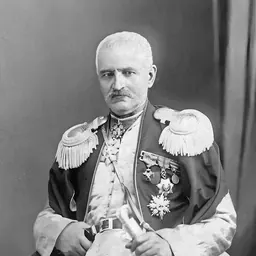
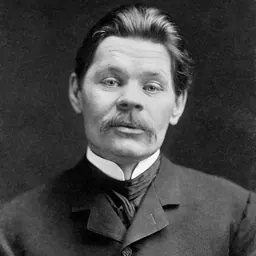
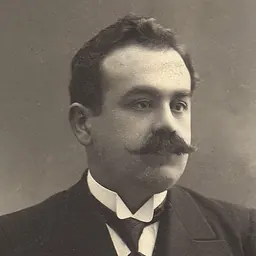
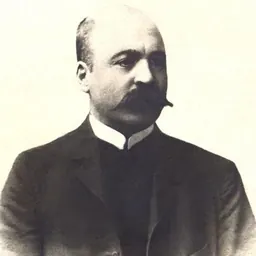
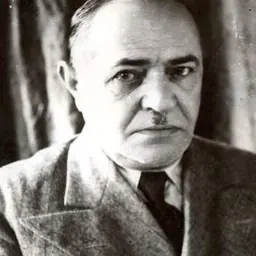
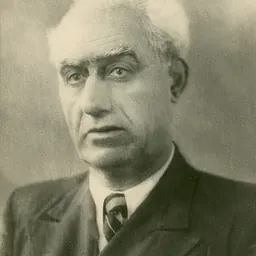
People in Abdurrahim bey Hagverdiyev's life
Named in this biography and alive at the same time


Related people
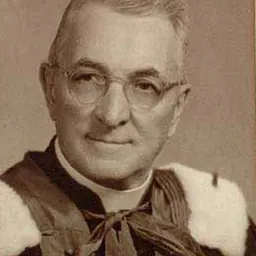
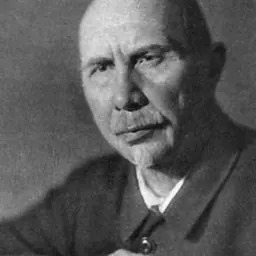
Same field, nearest in time


Contemporaries
People whose lives overlapped Abdurrahim bey Hagverdiyev's





Frequently asked questions
Who was Abdurrahim bey Hagverdiyev?
Azerbaijani playwright, stage director, politician and public figure (1870–1933)
When was Abdurrahim bey Hagverdiyev born?
Abdurrahim bey Hagverdiyev was born on 4 May 1870 in Ağbulaq, Shusha.
When did Abdurrahim bey Hagverdiyev die?
Abdurrahim bey Hagverdiyev died on 11 December 1933 in Baku.
What was Abdurrahim bey Hagverdiyev's occupation?
Abdurrahim bey Hagverdiyev was a writer, playwright, translator, politician and opinion journalist.
What nationality was Abdurrahim bey Hagverdiyev?
Abdurrahim bey Hagverdiyev was Russian.
Sources & further reading
· Wikipedia: Abdurrahim bey Hagverdiyev
· DBpedia: Abdurrahim bey Hagverdiyev
Cite this page
APA: Biography.guide. (2026). Abdurrahim bey Hagverdiyev. https://biography.guide/abdurrahim-bey-hagverdiyev/
MLA: "Abdurrahim bey Hagverdiyev." Biography.guide, https://biography.guide/abdurrahim-bey-hagverdiyev/.
Chicago: "Abdurrahim bey Hagverdiyev." Biography.guide. https://biography.guide/abdurrahim-bey-hagverdiyev/.
Data last updated: 2026-09-22 · Spot an error? Report a correction.
Page generated 2026-09-27 05:21 UTC